
Toner Buyback Programs That Actually Pay: What to Know Before You Sell?
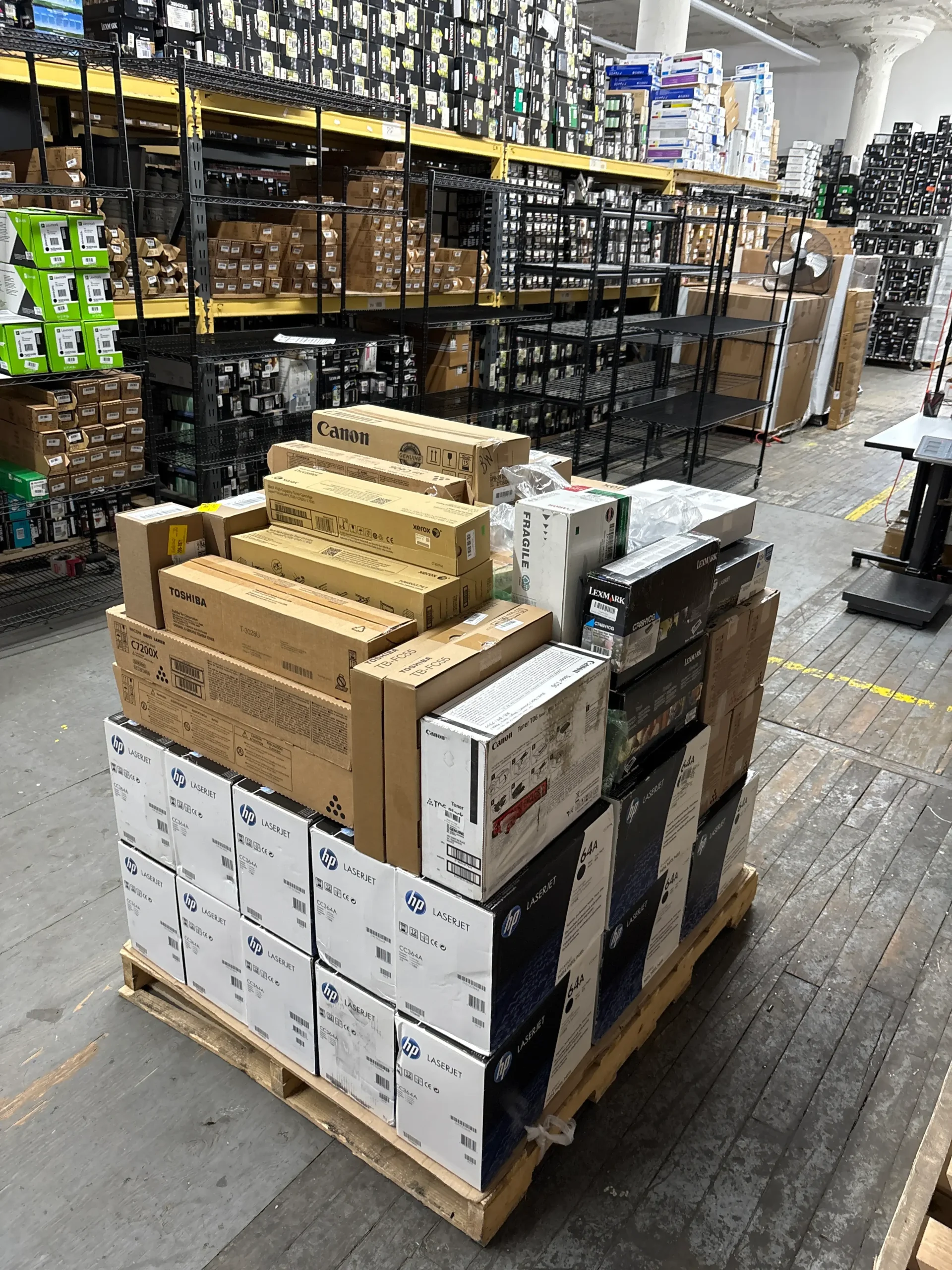
If you’ve ever discovered unopened toner cartridges collecting dust in a storage room, supply closet, or warehouse shelf, you’re not alone. Many businesses accumulate surplus toner due to printer upgrades, office relocations, overordering, or equipment changes. The good news is that those unused cartridges may still have value through toner buyback programs.
However, not all toner buyback programs are created equal. Some offer competitive payouts and streamlined service, while others may have strict requirements, hidden fees, or low offers. Understanding how toner buyback programs work can help you maximize your return and avoid common mistakes.
This guide explains what toner buyback programs are, how they work, and what you should know before selling your unused toner.
What Are Toner Buyback Programs?
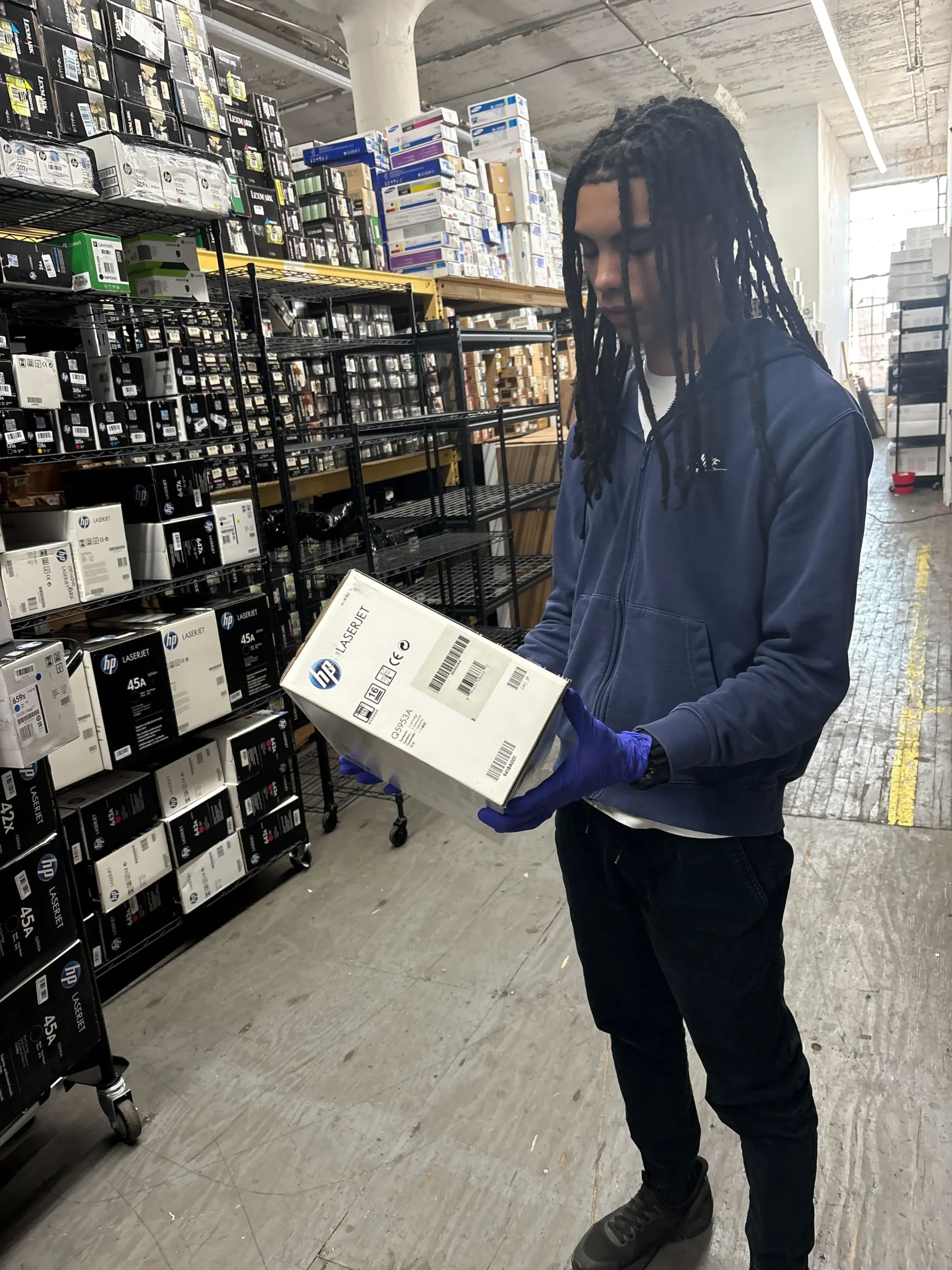
Toner buyback programs allow businesses and individuals to sell unused toner cartridges in exchange for cash.
Why Companies Buy Unused Toner?
Many toner buyers purchase:
- OEM toner cartridges
- Excess inventory
- Surplus office supplies
- Unopened printer consumables
Benefits for Sellers
Businesses can:
- Recover value from unused inventory
- Free up storage space
- Reduce waste
- Improve inventory management
As a result, toner buyback programs have become increasingly popular among organizations with excess printer supplies.
Why Businesses End Up With Unused Toner?
Surplus toner inventory is more common than many people realize.
Common Reasons Include:
- Printer fleet upgrades
- Office relocations
- Overstock purchasing
- Department closures
- Equipment replacements
Forgotten Inventory Adds Up Quickly
Many businesses discover hundreds or even thousands of dollars worth of toner sitting unused in storage.
Because of this, toner buyback programs provide an opportunity to recover value from inventory that would otherwise remain idle.
What Makes a Good Toner Buyback Program?
The best toner buyback programs focus on transparency, fair pricing, and customer convenience.
Look for Programs That Offer:
- Competitive payouts
- Clear eligibility requirements
- Fast payment processing
- Responsive customer support
- Simple shipping procedures
Avoid Programs With Hidden Surprises
Before selling, review:
- Payment terms
- Shipping responsibilities
- Product acceptance policies
As a result, understanding the process upfront helps prevent frustration later.
OEM Toner Typically Receives the Highest Offers
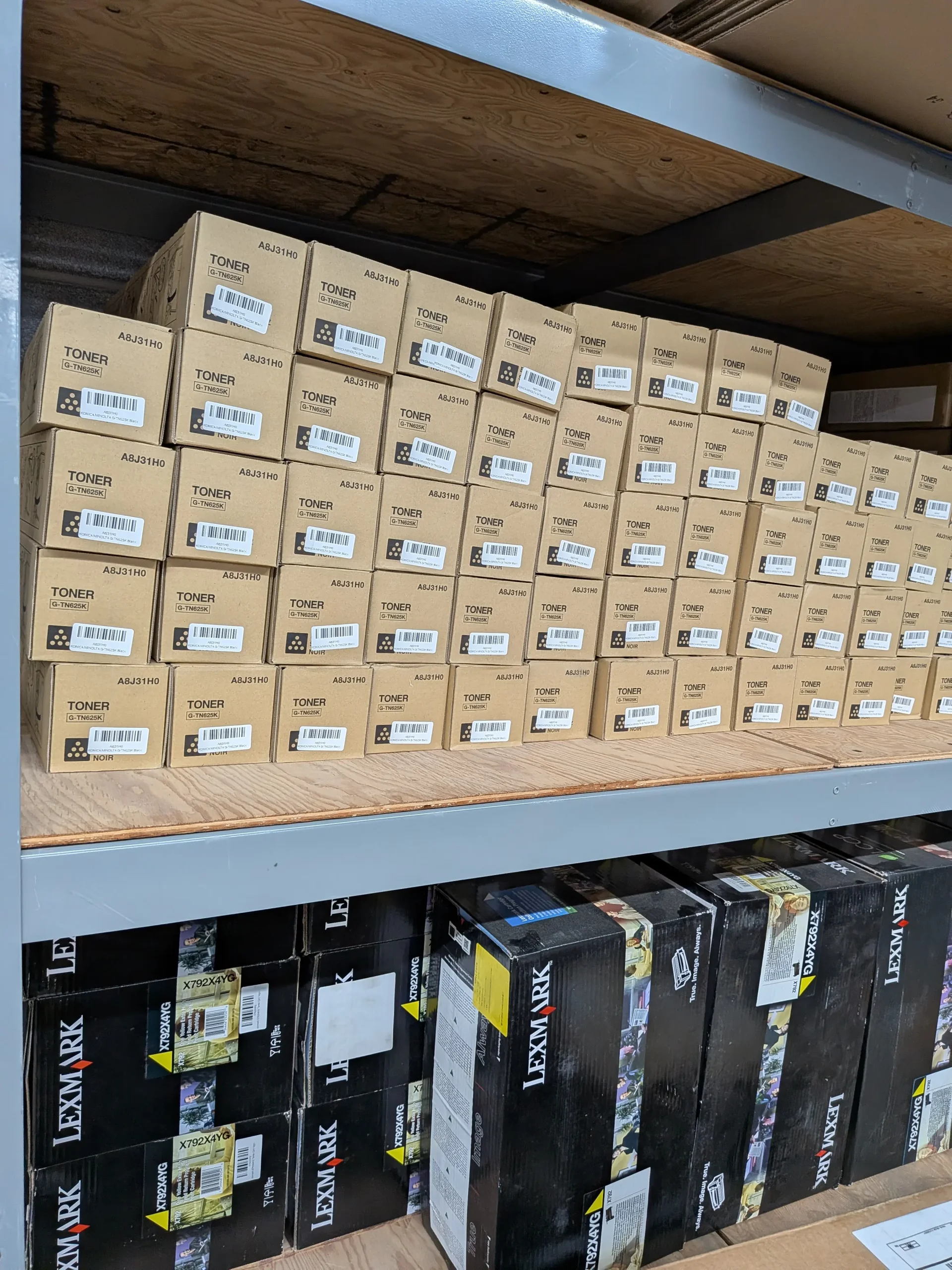
Not all toner cartridges have the same value.
OEM Toner Is Often Preferred
Original Equipment Manufacturer (OEM) cartridges are produced by printer manufacturers such as:
- HP
- Canon
- Brother
- Lexmark
- Xerox
Why OEM Toner Is Valuable?
OEM cartridges typically offer:
- Reliable performance
- Strong market demand
- Consistent quality
Because of this, OEM toner often qualifies for the highest buyback payouts.
Businesses looking to sell surplus OEM toner can explore services from Toner Connect.
Condition Matters More Than You Think
The condition of your toner cartridges plays a major role in determining value.
Buyers Typically Prefer:
- Factory-sealed cartridges
- Original packaging
- Undamaged boxes
- Clean inventory
Issues That May Affect Eligibility
Some buyers may reject:
- Opened cartridges
- Damaged packaging
- Expired inventory
- Generic toner products
As a result, proper storage helps protect resale value.
How Toner Buyback Programs Usually Work?
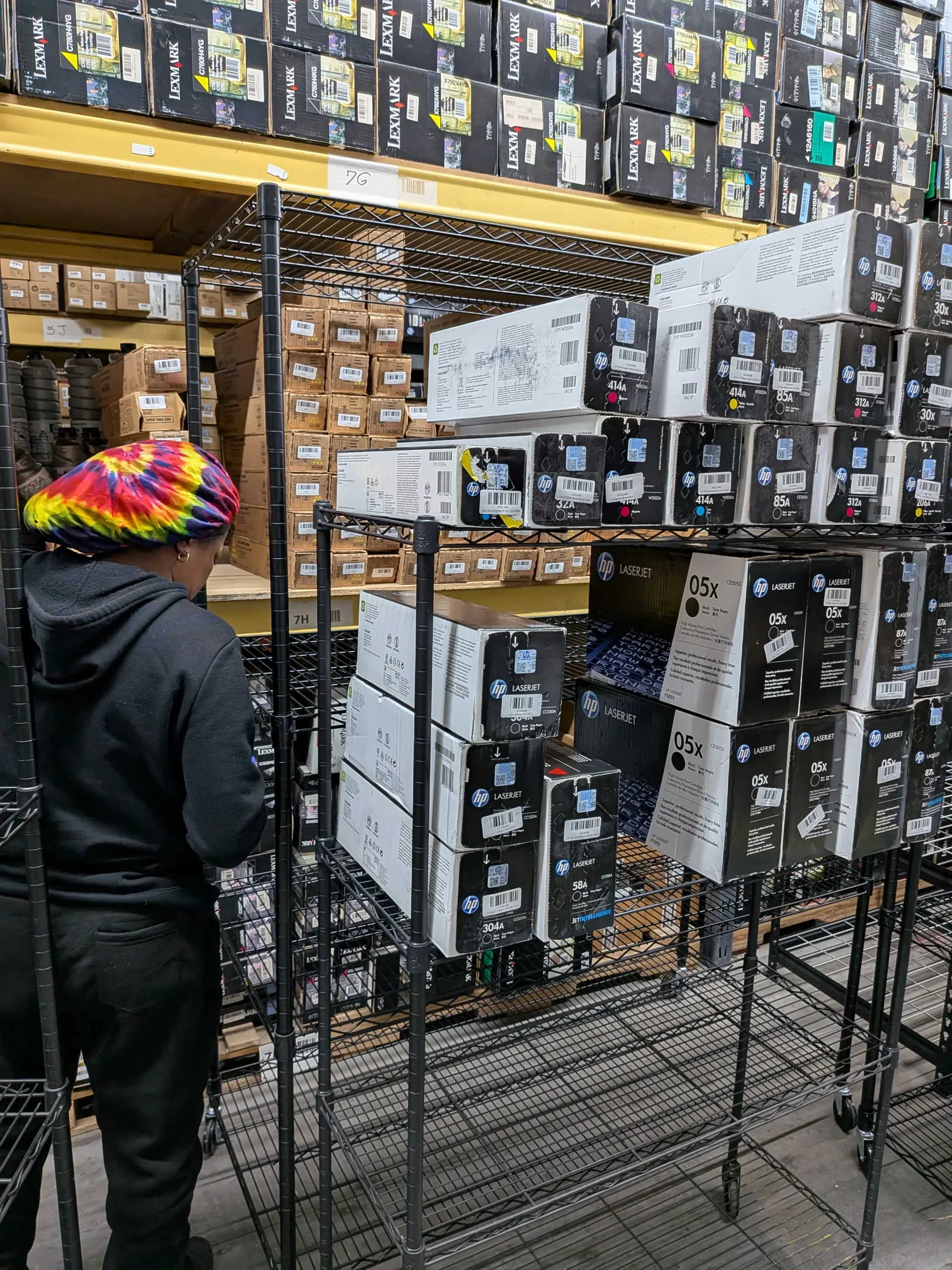
Most toner buyback programs follow a straightforward process.
Step 1: Submit Your Inventory
Provide:
- Manufacturer names
- Model numbers
- Quantities
- Photos if requested
Step 2: Receive a Quote
The buyer reviews the inventory and determines potential value.
Step 3: Ship or Schedule Pickup
Depending on location and quantity, sellers may:
- Ship the toner
- Qualify for local pickup services
Step 4: Inspection and Payment
Once inventory is verified, payment is processed according to program terms.
Because of this, the process is often easier than many sellers expect.
Common Mistakes to Avoid Before Selling
A few simple mistakes can reduce your payout.
Avoid:
- Throwing away original packaging
- Storing toner in extreme temperatures
- Waiting years to review inventory
- Assuming all cartridges have equal value
Stay Organized
Track:
- Model numbers
- Inventory locations
- Purchase dates
As a result, organized inventory helps speed up the evaluation process.
Can Expired Toner Still Have Value?
Many businesses wonder whether older toner cartridges can still be sold.
The Answer Depends on Several Factors
Buyers may evaluate:
- Age
- Packaging condition
- OEM status
- Current market demand
Not All Expired Toner Is Worthless
Some cartridges may still qualify for:
- Buyback programs
- Recycling opportunities
- Secondary markets
Because of this, it’s worth requesting a quote before discarding inventory.
Toner Buyback Programs Support Sustainability
Selling unused toner is not just about recovering money.
Buyback Programs Help Reduce Waste
Unused toner can often:
- Remain in circulation
- Be redistributed
- Avoid unnecessary disposal
Better Resource Management Benefits Everyone
Businesses can:
- Reduce clutter
- Improve inventory efficiency
- Support sustainability goals
As a result, toner buyback programs contribute to more responsible resource management.
How to Maximize Your Toner Buyback Value?
To get the best possible return:
Follow These Tips
- Keep cartridges sealed
- Store inventory properly
- Organize by model number
- Submit accurate inventory lists
- Review inventory regularly
Act Before Inventory Becomes Obsolete
Printer technology changes over time, and demand may shift.
Because of this, selling unused toner sooner often produces better results.
Choosing the Right Toner Buyback Program
A quality toner buyback program should offer fair pricing, transparent communication, and a simple selling experience. By understanding how these programs work and preparing inventory properly, businesses can recover value from surplus toner while reducing waste and improving storage efficiency.
Before letting unused toner sit forgotten in a supply closet, consider whether it may still have value. The right toner buyback program can turn excess inventory into cash while helping your organization make better use of its resources.
Conclusion
Toner buyback programs offer businesses a practical way to recover value from unused toner inventory while reducing waste and improving storage efficiency. By understanding what buyers look for, maintaining inventory properly, and choosing a reputable buyback provider, sellers can maximize their returns and simplify the process. Whether you have a few cartridges or an entire stockroom of surplus toner, a quality toner buyback program can help turn forgotten supplies into real value.