
The Truth About Expired Ink and Toner
Many businesses and home users have discovered old printer supplies tucked away in storage closets, supply cabinets, or warehouse shelves. When that happens, one question usually comes up: Can you still use expired ink and toner?
The answer is not always straightforward. While expiration dates are important, they do not necessarily mean a cartridge becomes unusable the day after the date printed on the box. In fact, toner and ink cartridges age differently, and several factors determine whether an expired cartridge will still perform properly.
This guide explores the truth about expired ink and toner, what expiration dates really mean, and what you should do with old printer supplies.
Do Ink and Toner Cartridges Really Expire?
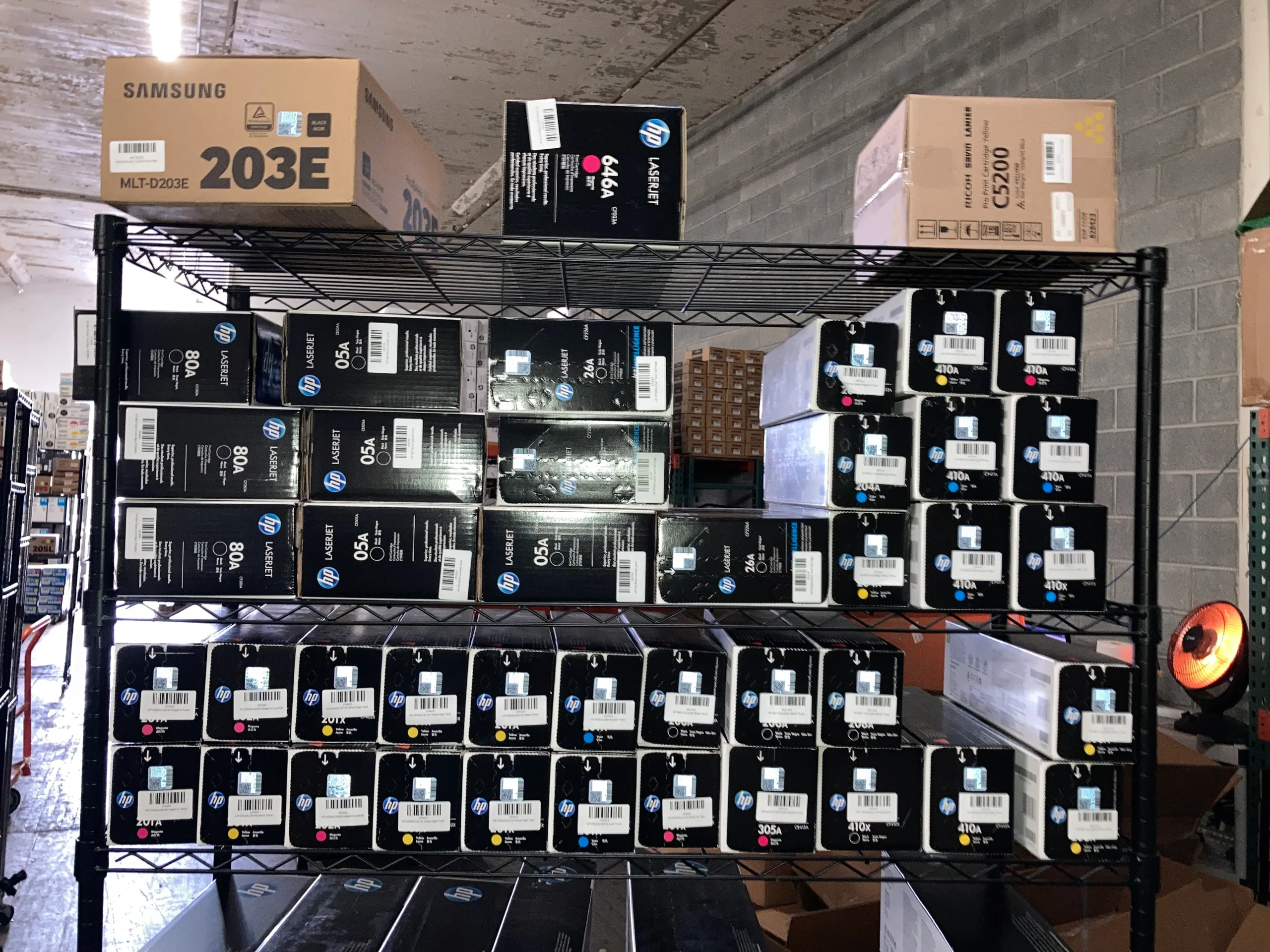
Yes, ink and toner cartridges can expire, but not in the same way food products do.
Expiration Dates Are Performance Guidelines
Manufacturers include expiration dates to indicate:
- Optimal performance periods
- Expected print quality
- Recommended usage timelines
Expired Does Not Always Mean Unusable
Some cartridges may continue working after expiration, while others may experience performance issues.
As a result, expiration dates should be viewed as guidelines rather than immediate disposal dates.
Ink and Toner Age Differently
One of the biggest misconceptions is that ink and toner cartridges have the same shelf life.
Ink Cartridges Contain Liquid Ink
Over time, ink may:
- Dry out
- Separate
- Become clogged
- Produce inconsistent colors
Toner Cartridges Use Dry Powder
Toner generally remains more stable because it consists of fine powder rather than liquid.
Because of this, toner cartridges often last longer in storage than ink cartridges.
What Happens to Expired Ink Cartridges?
Ink cartridges are more sensitive to environmental conditions.
Common Problems Include:
- Dried ink
- Printhead clogging
- Faded colors
- Streaky printing
Storage Conditions Matter
Exposure to:
- Heat
- Direct sunlight
- Humidity
can accelerate ink deterioration.
As a result, improperly stored ink cartridges may become unusable sooner.
What Happens to Expired Toner Cartridges?
Toner cartridges generally have a longer shelf life.
Toner May Still Work After Expiration
If stored properly, toner may continue producing acceptable prints even after the expiration date.
Potential Toner Problems Include:
- Toner clumping
- Reduced print quality
- Cartridge recognition issues
- Damaged packaging
Because of this, expired toner should be evaluated individually rather than automatically discarded.
Proper Storage Can Extend Cartridge Life
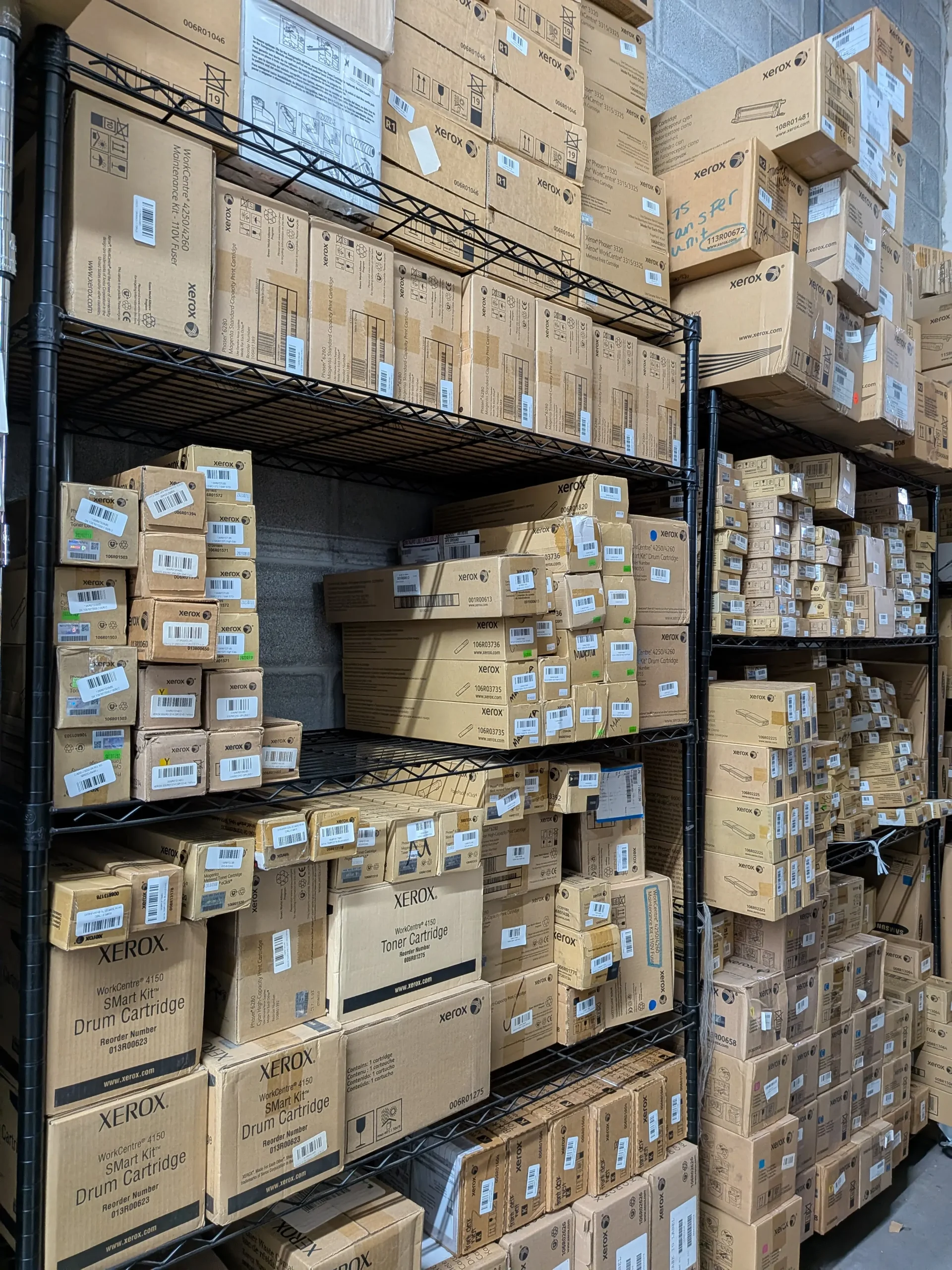
Storage conditions often have a greater impact than the expiration date itself.
Store Cartridges In:
- Cool environments
- Dry locations
- Original packaging
- Stable temperatures
Avoid:
- Extreme heat
- Excessive humidity
- Direct sunlight
- Frequent temperature changes
As a result, well-stored cartridges may remain usable much longer.
Businesses looking to recover value from surplus toner inventory can explore services from Toner Connect.
Can You Sell Expired Toner?
Many people wonder whether expired toner still has value.
Buyer Requirements Vary
Some toner buyers may consider:
- Cartridge condition
- Packaging quality
- OEM status
- Market demand
Age May Affect Value
While some expired cartridges may still be accepted, newer inventory often receives stronger offers.
Because of this, businesses should review inventory regularly instead of letting supplies sit for years.
Why Businesses End Up With Expired Supplies?
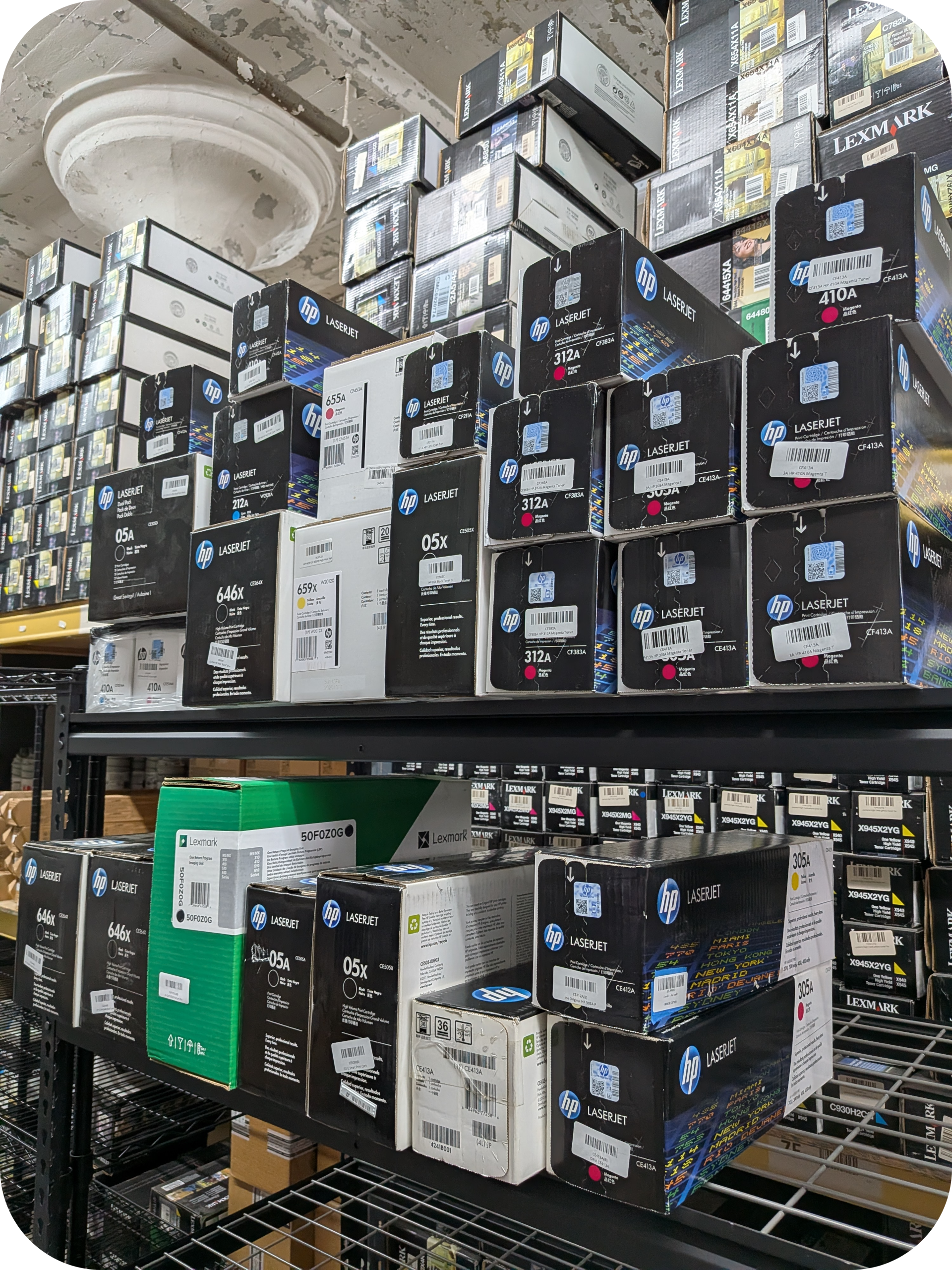
Expired printer supplies are surprisingly common.
Common Causes Include:
- Printer upgrades
- Overstock purchasing
- Office relocations
- Department closures
- Equipment replacements
Forgotten Inventory Adds Up
Many businesses discover hundreds or even thousands of dollars worth of printer supplies hidden in storage rooms.
As a result, inventory management plays an important role in preventing expiration issues.
How to Check Whether a Cartridge Is Still Good?
Before throwing away an expired cartridge, inspect it carefully.
Look For:
- Intact packaging
- No visible damage
- Proper storage history
- No signs of leakage
Test Print Performance
A test print can help identify:
- Print quality issues
- Color inconsistencies
- Toner distribution problems
Because of this, testing is often the best way to evaluate cartridge condition.
What to Do With Unused Expired Toner?
If you discover expired toner inventory, you still have options.
Consider:
- Testing the cartridge
- Recycling programs
- Toner buyback evaluations
- Responsible disposal
Don’t Automatically Throw It Away
Some expired toner may still:
- Function properly
- Retain market value
- Qualify for recycling
As a result, evaluating inventory first can help reduce unnecessary waste.
Preventing Future Expiration Problems
The best solution is preventing toner and ink from expiring in the first place.
Use Inventory Management Practices
- Label inventory clearly
- Track purchase dates
- Rotate stock regularly
- Use older inventory first
Conduct Regular Supply Audits
Routine reviews help identify:
- Excess inventory
- Slow-moving stock
- Obsolete supplies
Because of this, businesses can avoid costly waste and improve supply management.
The Truth About Expired Ink and Toner
The truth is that expiration dates are important, but they are not the only factor that determines whether a cartridge remains usable. Toner cartridges often last longer than many people expect, especially when stored properly, while ink cartridges tend to be more sensitive to age and environmental conditions.
Instead of immediately discarding expired supplies, businesses should evaluate their condition, test performance when appropriate, and explore options such as recycling or toner buyback programs. A forgotten cartridge may still have more value than you think.
Conclusion
Expired ink and toner do not always mean unusable ink and toner. While age can affect performance, storage conditions, cartridge quality, and overall condition often play a much larger role. By understanding how printer supplies age and managing inventory properly, businesses can reduce waste, recover value, and make smarter decisions about their printing supplies.