
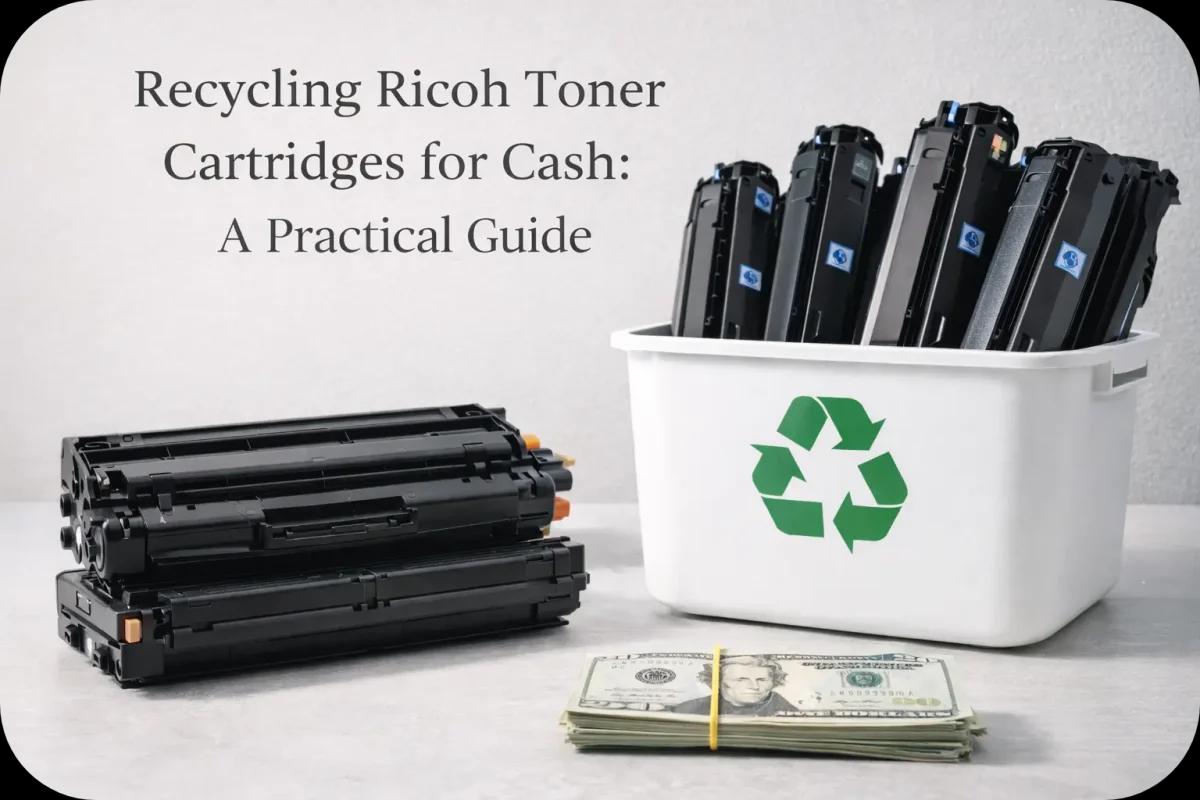
Recycling Ricoh Toner Cartridges for Cash: A Practical Guide
Ricoh printers are widely used in offices, schools, and enterprise environments. If your organization regularly uses Ricoh devices, you likely go through a steady supply of toner. What many businesses don’t realize is that recycling Ricoh toner cartridges, especially unused, factory-sealed ones, can sometimes generate cash instead of simply becoming waste.
This practical guide explains how recycling Ricoh toner cartridges works, when you can get paid, and how to maximize value.
Understanding Ricoh Toner Cartridges
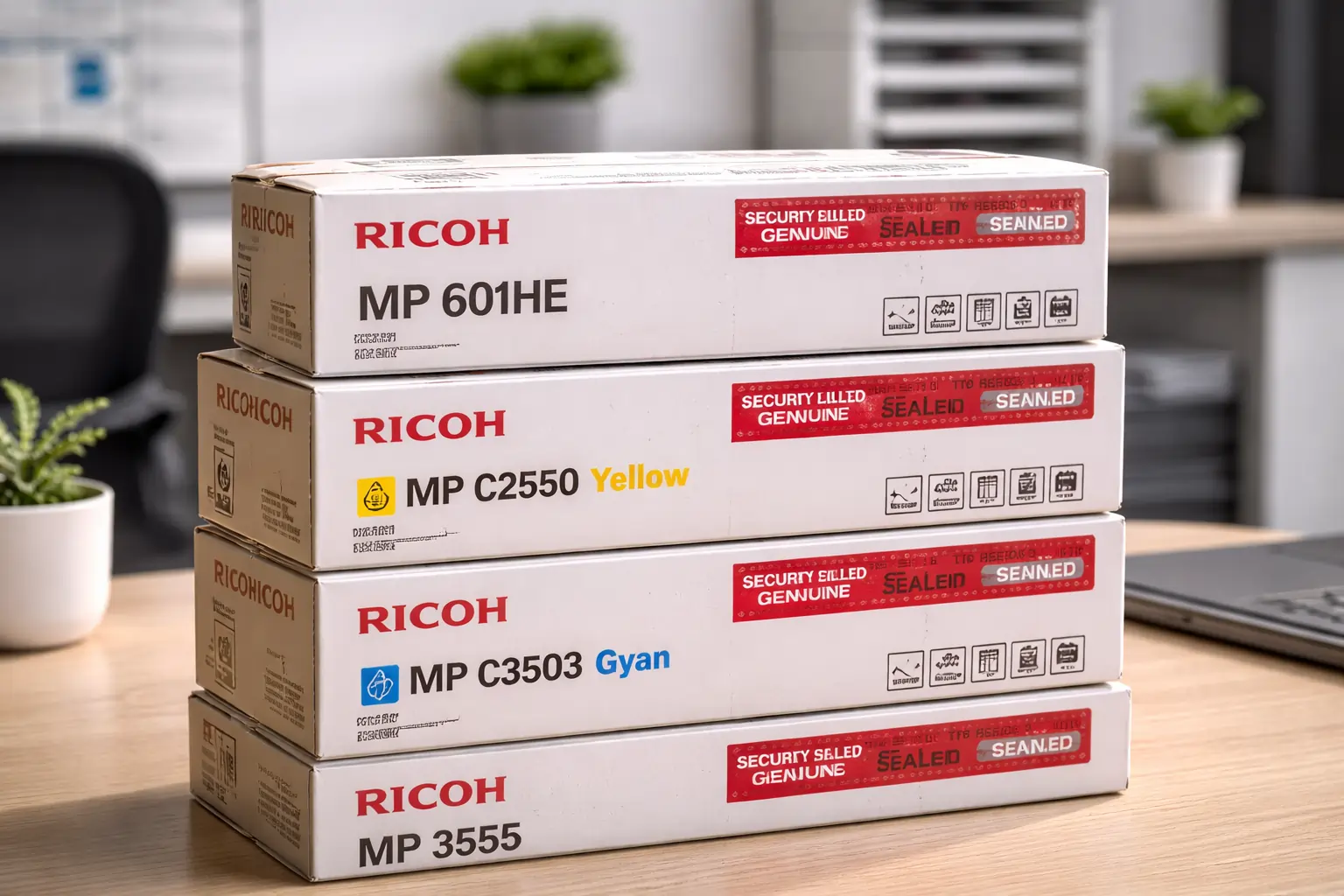
Ricoh manufactures a range of laser printers and multifunction devices commonly found in corporate settings. Their toner cartridges are typically:
- OEM (Original Equipment Manufacturer)
- Designed for high-volume printing
- Used in enterprise and managed print environments
- Available in standard and high-yield versions
Common Ricoh toner lines include MP, IM, SP, and Aficio series. Because these devices are widely deployed, certain models maintain resale demand in the secondary market.
Can You Get Cash for Ricoh Toner Cartridges?
It depends entirely on condition.
There are two main categories:
1. Unused, Factory-Sealed Ricoh Toner
This category offers the highest resale potential.
If cartridges are:
- OEM Ricoh branded
- Factory sealed
- Undamaged
- Within acceptable shelf life
They may qualify for buyback or resale programs.
2. Used or Empty Ricoh Toner Cartridges
Used cartridges typically do not have direct resale value. However, they can:
- Be recycled through manufacturer programs
- Support corporate sustainability initiatives
- Reduce landfill waste
If your goal is earning cash, unused sealed inventory is the key.
Recycling vs. Reselling Ricoh Toner
The word “recycling” is often used broadly, but there’s an important distinction.
Reselling (Cash Recovery)
- Applies to factory-sealed toner
- Generates direct payment
- Handled by buyback companies
- Requires strict condition standards
Recycling (Environmental Disposal)
- Applies to used cartridges
- Focused on sustainability
- Typically does not provide direct payment
Understanding this difference prevents confusion and helps set realistic expectations.
Step-by-Step Guide to Recycling Ricoh Toner Cartridges for Cash
If you believe your toner may qualify, follow these steps.
Step 1: Audit Your Inventory
Search:
- Storage closets
- Warehouse shelves
- Supply cabinets
- Surplus from printer upgrades
Create a list of:
- Model numbers
- Quantity
- Yield type
Step 2: Verify Condition
Ensure cartridges are:
- Factory sealed
- Free of heavy damage
- Not written on
- Within acceptable date range
Condition directly impacts eligibility and payout.
Step 3: Request a Quote
Submit your inventory to a reputable toner buyer. Pricing depends on:
- Model demand
- Market conditions
- Quantity
- Condition
Not all Ricoh models carry the same resale value.
Step 4: Package Securely
Protect cartons during shipment:
- Use bubble wrap or packing material
- Avoid moisture exposure
- Ship in sturdy boxes
Damaged packaging may reduce payout.
Step 5: Receive Payment
After inspection and approval, payment is issued based on agreed terms.
This transforms unused Ricoh toner into recovered capital instead of wasted storage space.
What Ricoh Models Typically Have Resale Demand?
While demand changes over time, generally:
- High-yield enterprise cartridges
- Black toner models
- Popular MP and IM series
Color cartridges may move more slowly depending on the market.
Bulk quantities are often more attractive to buyers.
Environmental Benefits of Recycling Ricoh Toner
Even if cartridges don’t qualify for resale, responsible recycling matters.
Used toner contains:
- Plastic housing
- Metal components
- Fine toner powder
Proper recycling helps:
- Reduce landfill waste
- Support circular economy efforts
- Improve corporate sustainability metrics
Many businesses incorporate toner recycling into ESG initiatives.
Common Mistakes to Avoid
To maximize value:
- Don’t open sealed boxes unnecessarily
- Don’t write directly on packaging
- Don’t wait until cartridges are near expiration
- Keep sealed and used inventory separated
Protecting packaging preserves resale eligibility.
Final Thoughts
Recycling Ricoh toner cartridges can mean two things: responsibly disposing of used cartridges or converting unused, factory-sealed inventory into cash.
If your organization has surplus sealed Ricoh toner sitting in storage, exploring resale options may help recover value quickly. If cartridges are already used, recycling supports environmental responsibility.
The key is acting early, verifying conditions, and separating resale-eligible stock from general recycling.
Unused toner doesn’t have to be wasted, with the right approach, it can become recovered revenue.