
Recycle Toner Cartridges for Money: Your Complete Business Guide
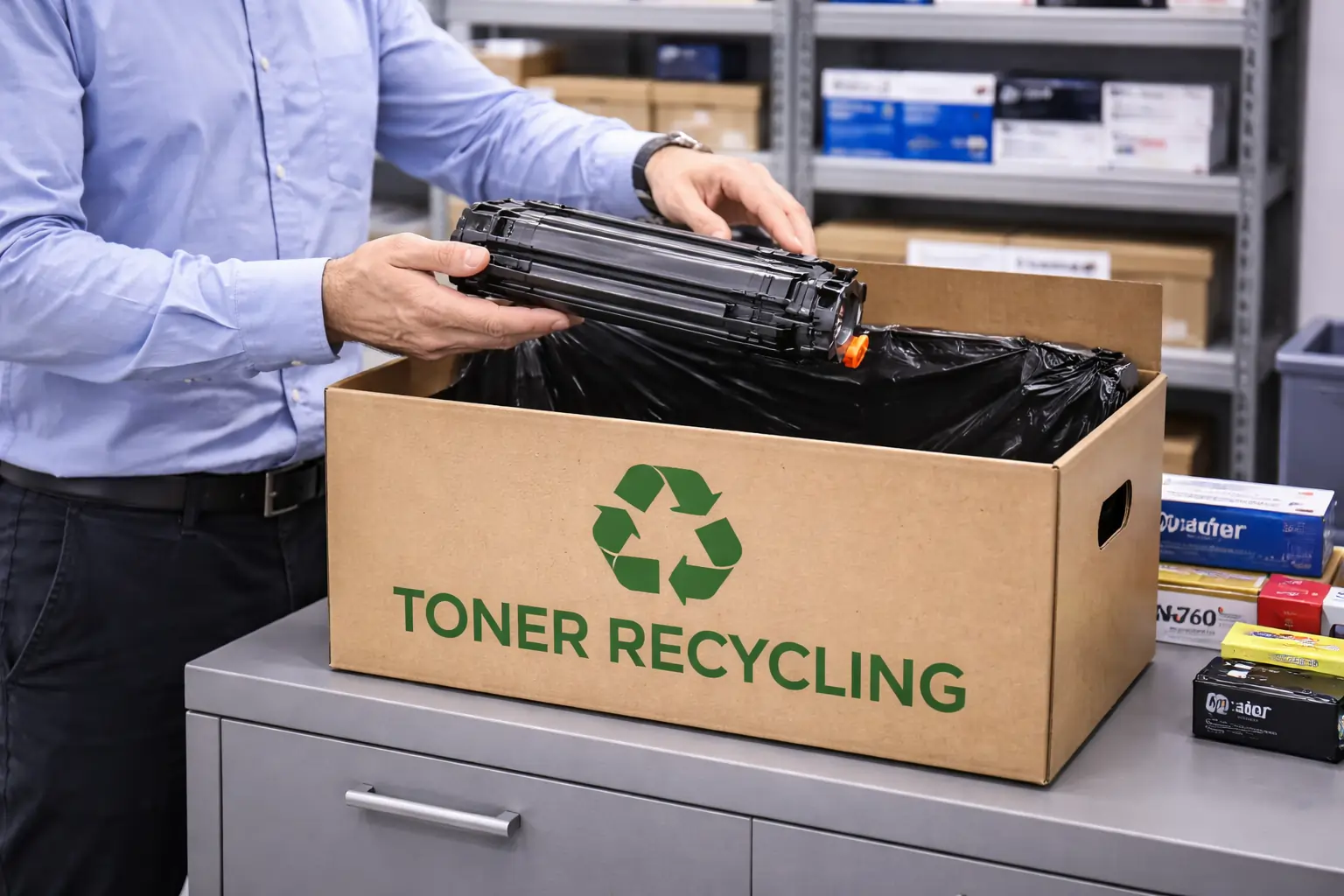
Most businesses think of empty toner cartridges as waste. But what if those used cartridges could become a source of revenue instead of a line item in your disposal budget?
Recycling toner cartridges for money is not only possible, it’s a smart, sustainable strategy that can improve your bottom line while reducing environmental impact. For companies that print regularly, unused and empty toner cartridges can add up quickly. Instead of sending them to a landfill, businesses can turn surplus supplies into cash or cost savings.
This complete guide will walk you through how to recycle toner cartridges for money, how it works, and how your business can build a simple, profitable system around it.
Why Businesses Should Recycle Toner Cartridges?
Before diving into the “how,” let’s talk about the “why.”
1. Recover Hidden Costs
Toner cartridges, especially OEM cartridges, have value even after they’re empty. Many remanufacturers and recycling companies purchase used cartridges because they can refurbish and resell them.
If your office prints high volumes of documents, you may be discarding assets without realizing it.
2. Reduce Disposal Costs
Waste removal costs money. Recycling programs can eliminate or reduce disposal fees while generating small but consistent returns.
3. Support Sustainability Goals
According to the EPA, millions of printer cartridges are discarded annually, contributing to landfill waste. Recycling supports corporate sustainability initiatives and helps businesses meet environmental, social, and governance (ESG) goals.
How Recycling Toner Cartridges for Money Works?
Understanding the process makes implementation simple.
Step 1: Collect Used Cartridges
Set up clearly labeled recycling bins in supply rooms or near printers. Encourage employees to deposit empty cartridges instead of throwing them away.
Step 2: Sort by Brand and Model
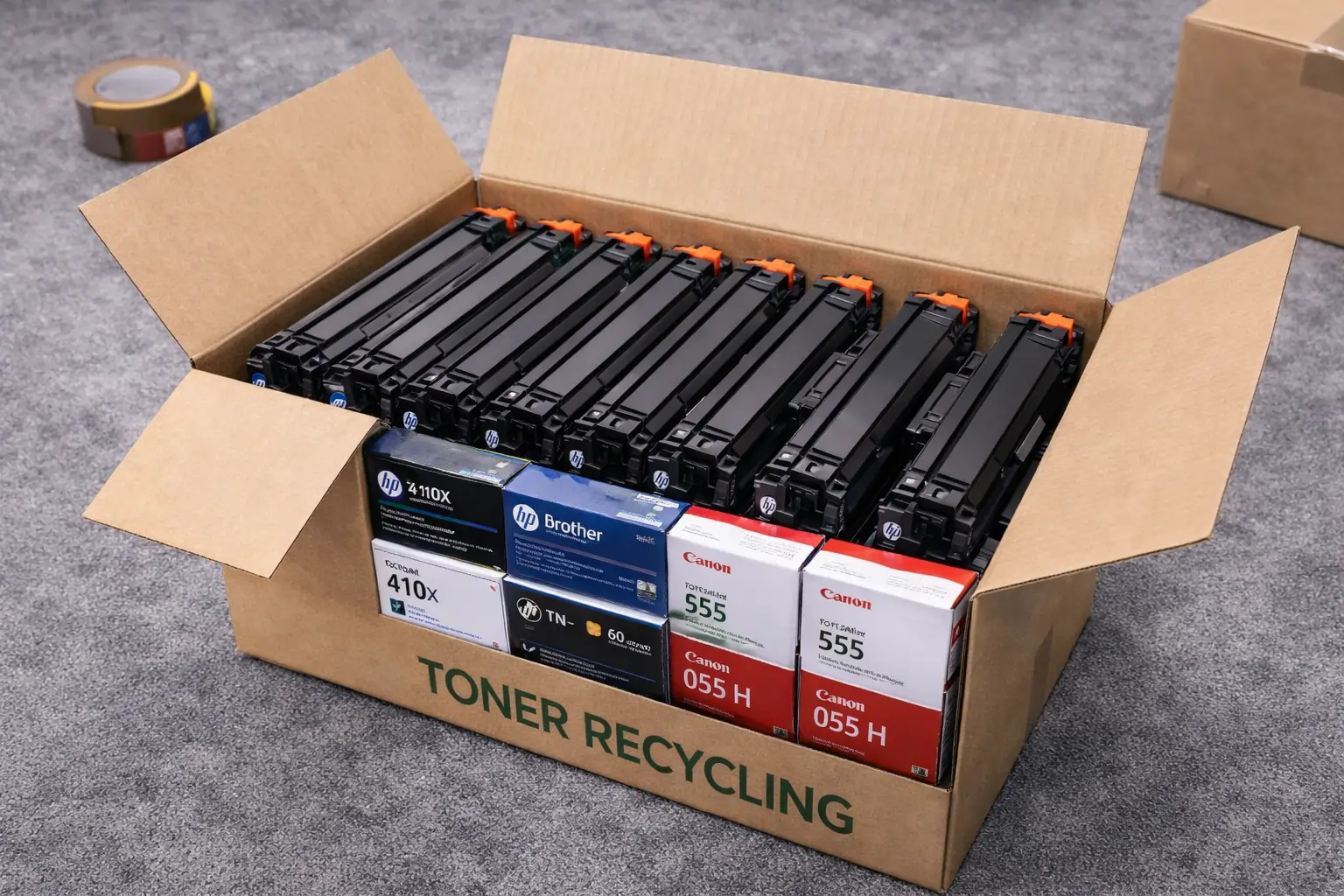
Certain brands and high-yield toner cartridges typically have higher resale value. OEM cartridges (like HP, Brother, Canon, etc.) often command stronger buyback rates than generic versions.
Businesses that purchase reliable, widely used cartridges, such as those available through Toner Connect, may find it easier to participate in buyback programs later.
Step 3: Partner with a Buyback or Recycling Program
There are three primary options:
- Manufacturer return programs
- Third-party buyback companies
- Local recycling partners
HP, for example, offers a well-known return and recycling program. While some manufacturer programs focus on sustainability rather than payment, third-party companies often provide direct compensation.
Step 4: Ship in Bulk
Most buyback programs offer better payouts for bulk shipments. Instead of mailing cartridges one by one, accumulate a full box before sending.
Which Toner Cartridges Have the Most Value?
Not all used toner cartridges are created equal.
OEM vs Compatible Cartridges
- OEM (Original Equipment Manufacturer) cartridges usually have higher resale value.
- Compatible cartridges may still be recyclable, but payouts are typically lower.
High-Yield Cartridges
High-yield (XL) cartridges often generate more interest from remanufacturers because of their larger capacity and higher retail value.
Popular Printer Models
Cartridges for widely used business printers tend to have stronger demand in the remanufacturing market.
If your business regularly orders toner, choosing common, high-demand models from trusted suppliers like Toner Connect can make future recycling easier and potentially more profitable.
How Much Money Can a Business Make?
The amount varies based on:
- Cartridge brand and model
- Condition (intact, undamaged)
- Market demand
- Quantity shipped
While individual cartridges may only generate a modest return, businesses that go through dozens, or hundreds, of cartridges per year can create a meaningful secondary revenue stream.
Even if the revenue doesn’t fully offset supply costs, it can:
- Reduce overall printing expenses
- Fund office supplies
- Support sustainability programs
Over time, small returns add up.
Creating a Toner Recycling System in Your Office
To make recycling toner cartridges for money effective, structure matters.
Assign Responsibility
Designate a facilities manager or office administrator to oversee cartridge collection and shipment.
Track Cartridge Usage
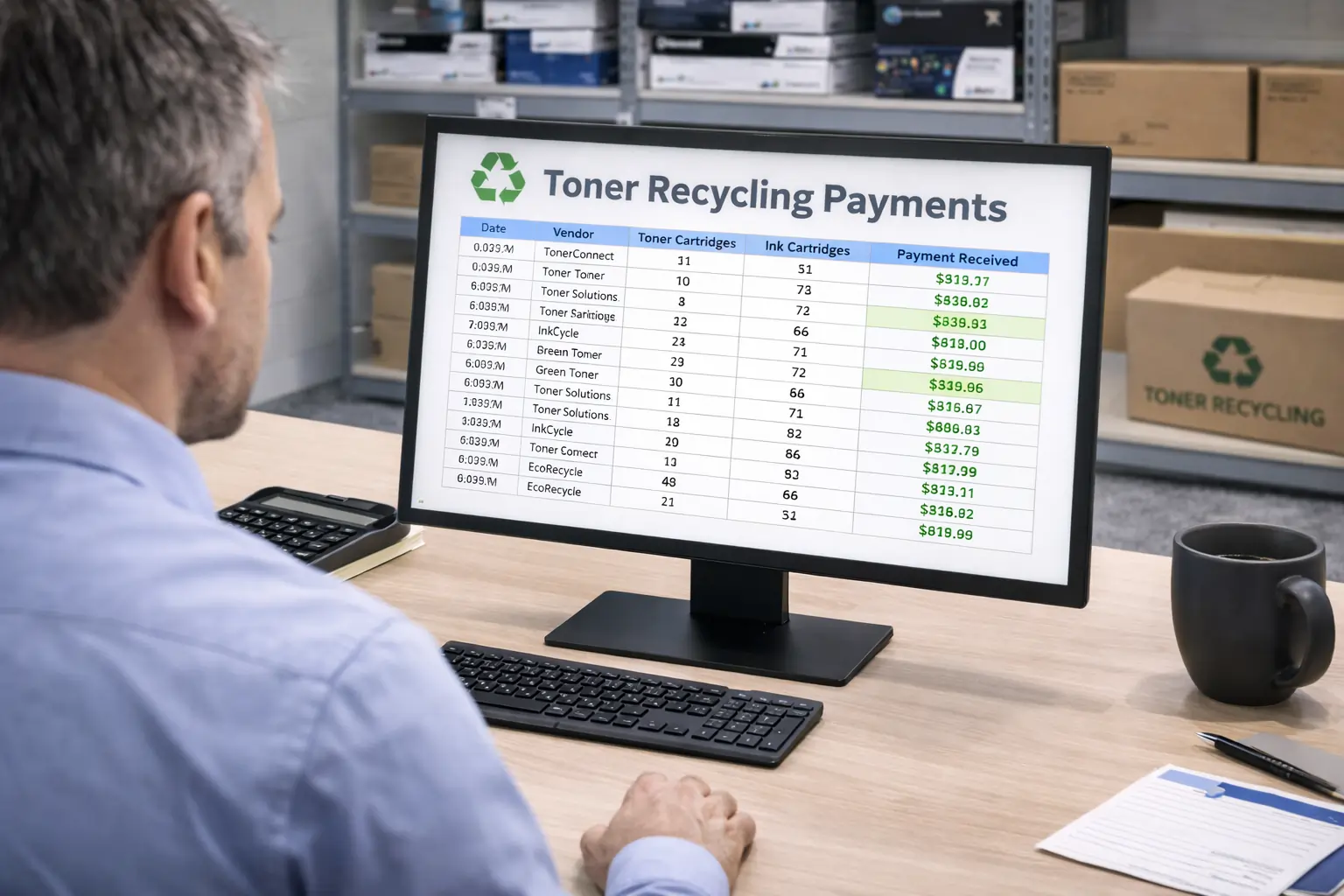
Keep a simple spreadsheet of:
- Cartridges purchased
- Cartridges recycled
- Payments received
Tracking helps measure ROI and identify trends in printing habits.
Combine Recycling with Smart Purchasing
Avoid overstocking supplies that may never be used. Purchasing based on real print volume, and sourcing reliable cartridges, reduces waste from the start.
Businesses can streamline ordering and avoid excess inventory by working with organized online suppliers like Toner Connect, which makes it easy to find the correct cartridge for each printer model.
Environmental and Brand Benefits
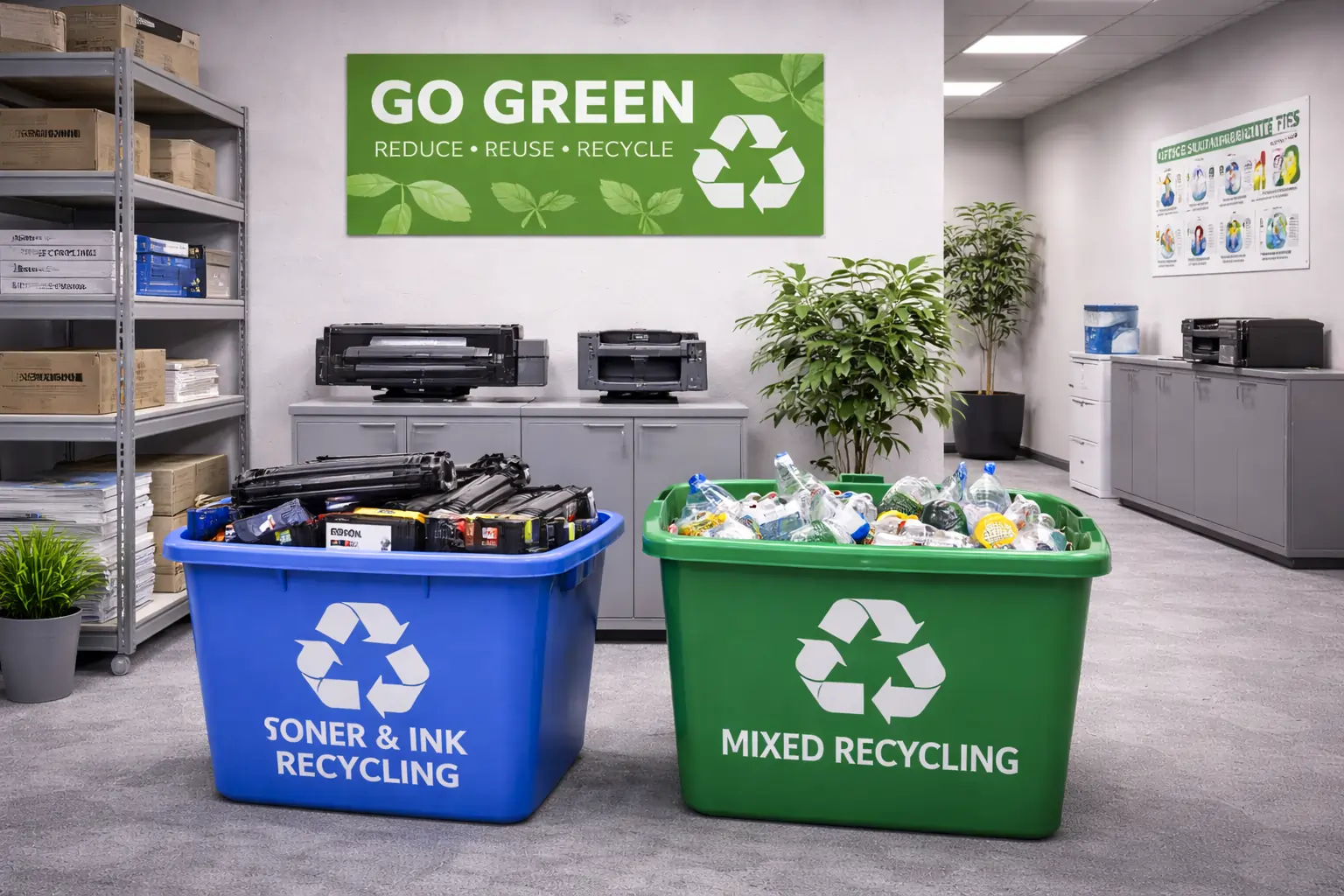
Recycling toner cartridges isn’t just about money.
Strengthen Your Brand Image
Customers and partners increasingly prefer environmentally responsible companies. Publicly sharing your recycling efforts can enhance your brand reputation.
Reduce Carbon Footprint
Remanufacturing cartridges uses fewer raw materials compared to producing new ones. According to ENERGY STAR, efficient equipment management and supply recycling contribute to overall office sustainability.
Support Circular Economy Practices
By recycling cartridges, your business participates in a circular economy, where products are reused and materials remain in circulation longer.
Common Mistakes to Avoid
Throwing Away Damaged Cartridges
Even damaged cartridges may have recyclable components. Always check program guidelines first.
Letting Cartridges Sit Too Long
Some buyback programs adjust pricing based on market demand. Don’t let used cartridges collect dust for years.
Ignoring Data Security
Certain toner cartridges contain memory chips. While rare, businesses in sensitive industries should confirm data handling practices with recycling partners.
Conclusion
Recycling toner cartridges for money is a practical, sustainable strategy that many businesses overlook. Instead of discarding empty cartridges, companies can recover value, reduce waste, and strengthen their environmental commitments.
By setting up a simple collection system, partnering with reputable buyback programs, and purchasing widely used cartridges from trusted suppliers like Toner Connect, businesses can transform routine printing into a smarter, more sustainable operation.
It’s not just about recycling, it’s about turning everyday office supplies into long-term value.