

3 Easy Ways to Store Your Toner Cartridges
Proper toner storage is one of the simplest ways to protect your printing supplies and maximize the life of your cartridges. Whether you’re managing a busy office, operating a warehouse, or storing backup supplies at home, how you store toner cartridges can directly impact print quality, cartridge performance, and overall value.
Unfortunately, many toner cartridges are damaged by poor storage conditions long before they are ever installed in a printer. Excessive heat, humidity, sunlight, and improper handling can all reduce cartridge effectiveness and lead to printing issues.
The good news is that proper toner storage doesn’t have to be complicated. By following a few simple practices, you can keep your toner cartridges in excellent condition for years.
Why It’s Important to Store Your Toner Cartridges Properly?
Toner cartridges contain sensitive components that perform best under stable conditions.
Improper Storage Can Cause:
- Toner clumping
- Cartridge leaks
- Reduced print quality
- Damaged packaging
- Shortened cartridge lifespan
Proper Storage Helps Preserve:
- Toner quality
- Cartridge integrity
- Print performance
- Resale value
As a result, proper storage protects your investment and reduces unnecessary waste.
Way #1: Store Your Toner Cartridges in a Cool, Dry Environment
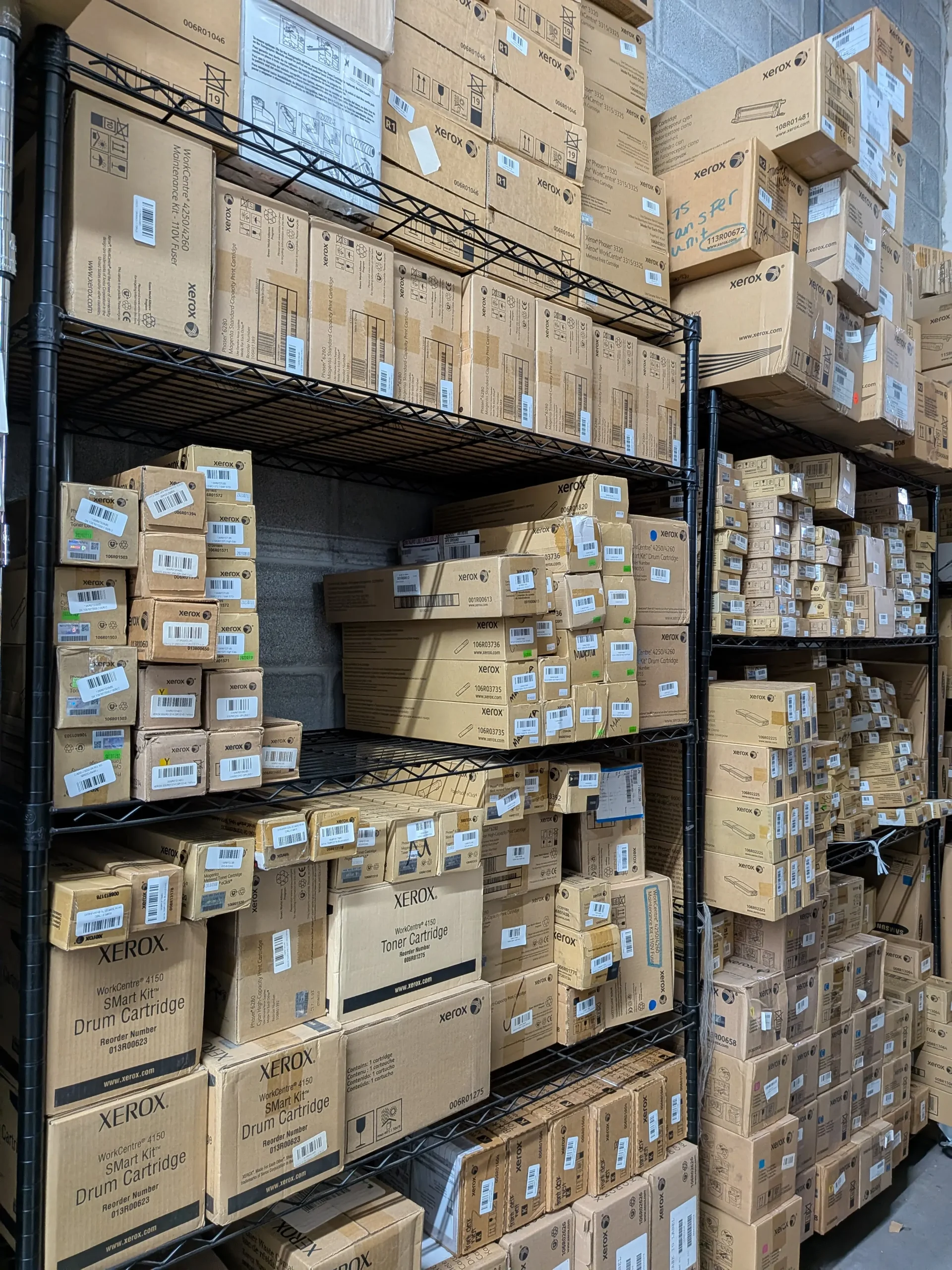
The most important storage rule is maintaining a stable environment.
Avoid Extreme Temperatures
Excessive heat can:
- Affect toner consistency
- Damage cartridge seals
- Increase leakage risks
Very cold temperatures may also impact cartridge performance if sudden temperature changes occur.
Control Humidity Levels
High humidity can:
- Affect toner powder
- Damage packaging
- Impact cartridge electronics
Because of this, climate-controlled storage areas are ideal for toner cartridges.
Best Storage Locations Include:
- Office supply rooms
- Climate-controlled storage areas
- Interior closets
- Organized warehouse shelving
Avoid storing cartridges in garages, attics, sheds, or areas exposed to large temperature fluctuations.
Way #2: Keep Toner Cartridges in Their Original Packaging
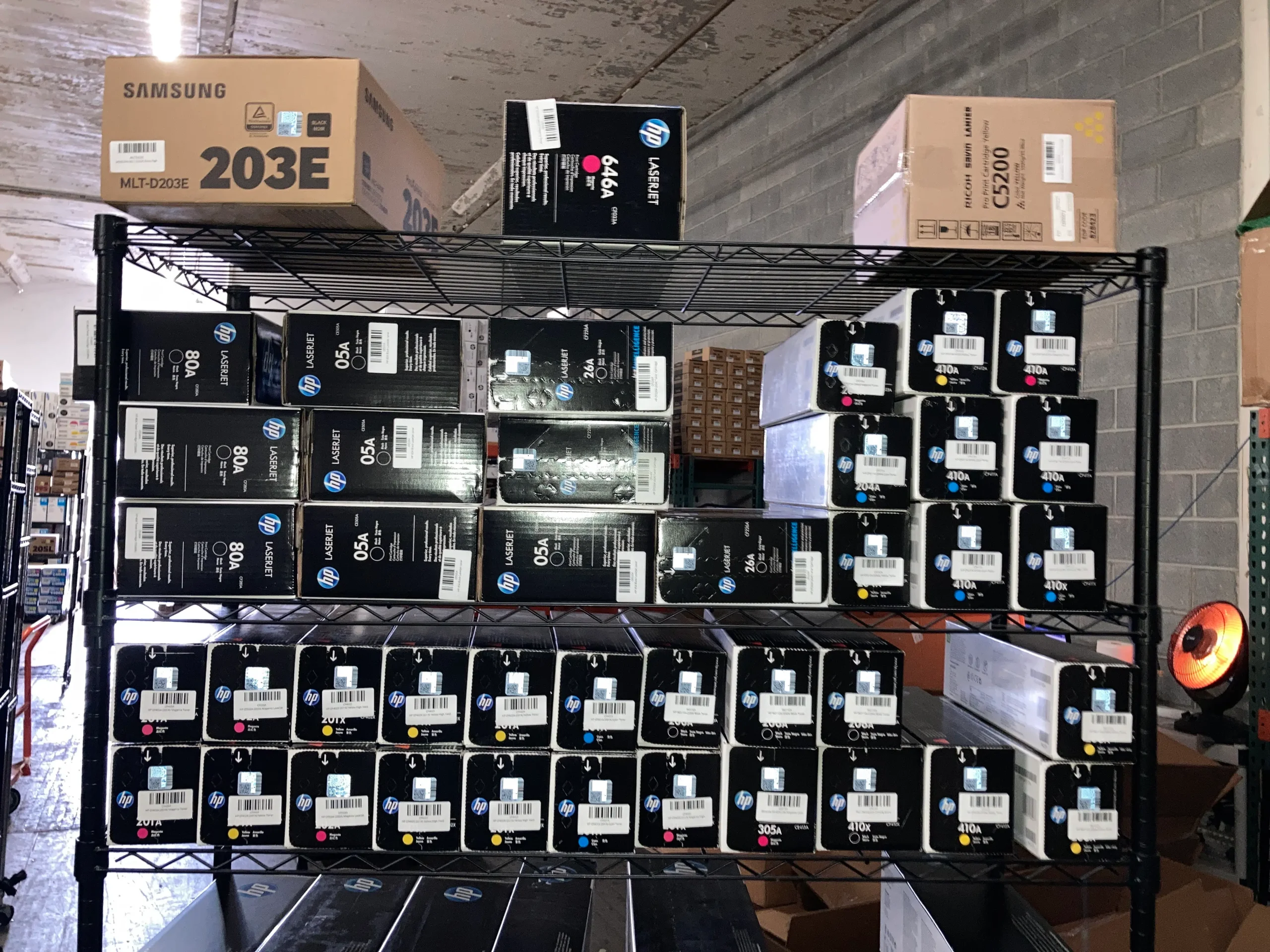
Many people remove toner cartridges from their boxes before they’re needed. However, manufacturer packaging plays an important protective role.
Original Packaging Protects Against:
- Dust
- Moisture
- Sunlight
- Physical damage
Factory Seals Help Preserve Quality
Sealed packaging helps maintain:
- Toner stability
- Cartridge cleanliness
- Product condition
As a result, it’s best to leave cartridges unopened until you’re ready to use them.
Businesses looking for reliable toner inventory management can explore solutions from Toner Connect.
Way #3: Organize and Rotate Your Toner Inventory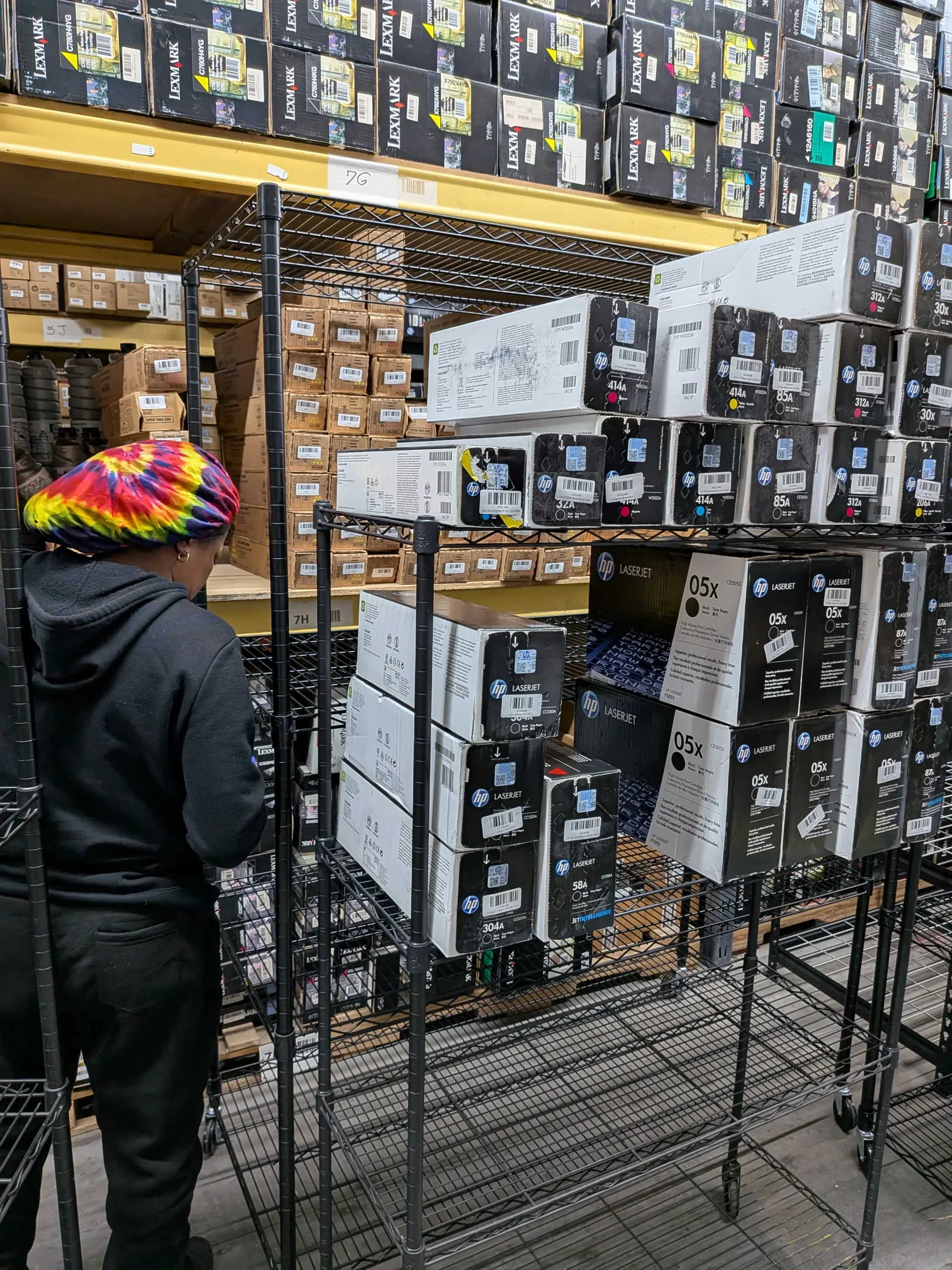
Proper organization is just as important as environmental conditions.
Label and Track Inventory
Maintain records of:
- Purchase dates
- Cartridge models
- Quantities
- Storage locations
Use the First-In, First-Out (FIFO) Method
FIFO means using older inventory before newer inventory whenever possible.
Benefits include:
- Reduced expiration risk
- Better inventory management
- Less waste
Because of this, businesses can maximize cartridge lifespan while avoiding forgotten inventory.
Common Toner Storage Mistakes to Avoid
Even small storage mistakes can affect toner performance.
Avoid Storing Toner Near:
- Windows
- Heating vents
- Radiators
- Direct sunlight
Avoid Excessive Handling
Frequent movement may:
- Damage packaging
- Increase drop risks
- Affect cartridge condition
As a result, storing cartridges in a secure location helps reduce unnecessary wear.
Why Organized Storage Saves Money?
Many businesses discover valuable toner inventory hidden in storage rooms years after purchasing it.
Better Organization Helps:
- Prevent duplicate purchases
- Reduce waste
- Improve inventory visibility
- Recover value from unused toner
Forgotten Toner Represents Lost Money
Untracked inventory often results in:
- Overstocking
- Expired supplies
- Missed resale opportunities
Because of this, inventory organization directly impacts operational efficiency.
What to Do With Unused Toner Cartridges?
If you discover toner cartridges that are no longer needed, don’t assume they have no value.
Options May Include:
- Selling unused toner
- Recycling cartridges
- Participating in toner buyback programs
OEM Toner Often Retains Value
Unopened OEM cartridges may still qualify for:
- Buyback programs
- Resale opportunities
- Inventory recovery services
As a result, proper storage can help preserve future value.
Climate-Controlled Storage Offers Additional Protection
For businesses with large toner inventories, climate-controlled storage provides extra peace of mind.
Benefits Include:
- Stable temperatures
- Controlled humidity
- Better inventory preservation
- Reduced environmental damage
Ideal for Long-Term Storage
Organizations that maintain:
- Warehouse inventory
- Backup toner supplies
- Multiple printer fleets
often benefit from dedicated storage environments.
Because of this, climate-controlled spaces are often considered the gold standard for toner storage.
Store Your Toner Cartridges the Smart Way
Learning how to store your toner cartridges properly is one of the easiest ways to protect your printing supplies and maximize cartridge life. By keeping toner in a cool, dry environment, maintaining original packaging, and organizing inventory effectively, businesses and home users can improve print performance while reducing waste and unnecessary expenses.
A few simple storage habits today can help preserve toner quality, protect inventory value, and support more efficient printing operations tomorrow.
Conclusion
Proper toner storage doesn’t require complicated systems or expensive equipment. By storing cartridges in a cool, dry environment, keeping them in their original packaging, and organizing inventory effectively, you can extend cartridge life, maintain print quality, and protect the value of your toner supplies. Whether you manage a small office or a large inventory, smart storage practices can make a significant difference over time.